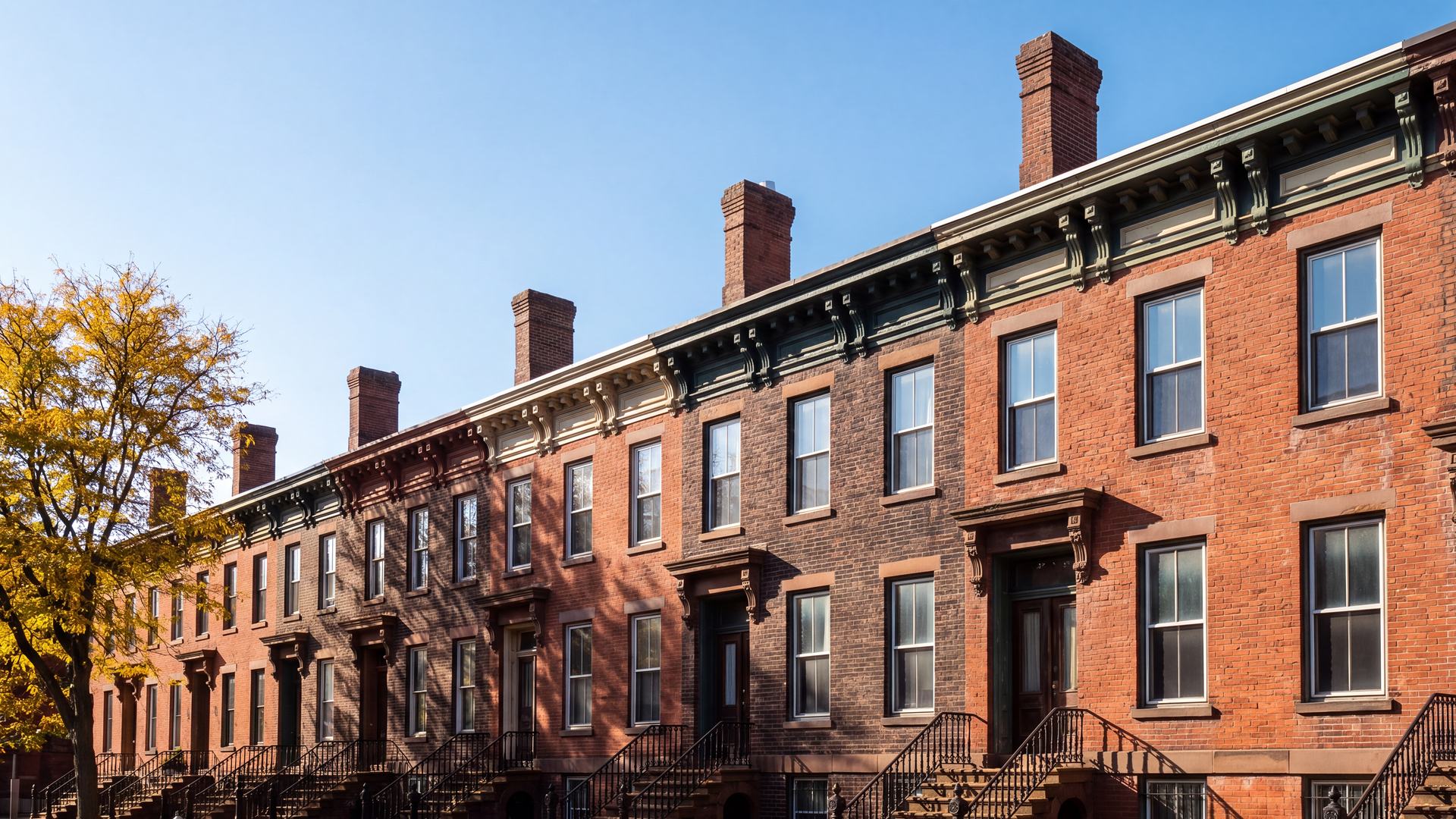
Chimney Repair & Masonry Restoration in Clifton Park, New York
Clifton Park was an agricultural town until the creation of I-87 in the 1960s turned it into a burgeoning bedroom community for Albany, Schenectady, and the surrounding area. Its history runs deeper than the highway: the Erie Canal, opened in 1825, brought commerce and travelers, and in 1828 Clifton Park split from Halfmoon to form its own town. The Vischer Ferry Historic District has been on the State and National Registers since 1975. So a chimney here might be historic masonry in Vischer Ferry, a brick stack on a house built after I-87 arrived, or a factory-built metal chimney inside a framed chase, and the right repair depends on which one you have.
Each kind fails in its own way, and water is behind most of it. On a masonry stack the usual entry points are the crown, the flashing, an uncapped flue, and porous joints or spalled brick; CSIA calls sand-and-mortar washes the more commonly found crown and recommends a cast crown with an expansion joint as the long-lasting replacement. Factory-built systems are metal, and an industry training handout on them is blunt: water is the major culprit, a chase that takes on water can expect framing damage, and once the tops of the fireplace rust out, a house fire is a likely event.
free quotes, no obligation; requests go to an independent local contractor.
Free quote
Masonry or Factory-Built: Why the Answer Changes the Repair
Clifton Park's Town Code draws the same line: its required inspections for solid-fuel appliances are grouped as Masonry, Factory-built, and Woodstoves and inserts. You can usually tell which you have. A masonry fireplace is built of brick, block, or stone, with a firebox usually lined in firebrick and a masonry chimney finished at the top with a crown. A factory-built fireplace is a firebox enclosed in a steel cabinet with a steel chimney or flue; where that chimney rises through a framed chase, a metal pan called a chase cover closes the top. A factory-built unit should also carry a listing label, because the International Residential Code requires factory-built fireplaces to be listed, labeled, and installed according to their listing.
The answer decides the repair. A masonry system is repaired with masonry: repointing, crown repair or recasting with a drip edge and caulked bond break, a clay or stainless flue liner suited to the appliance, as the residential code requires, and firebrick in refractory mortar when the firebox needs firebox and fireplace repair. A factory-built system is repaired by its listing: UL 127 chimney systems can only be used with the fireplaces they were tested with, solid-fuel factory-built chimneys must meet UL 103 Type HT, parts are not interchangeable between manufacturers, and instructions usually call for manufacturer-supplied parts. CSIA notes it is not uncommon for listed fireplaces, inserts, and chimneys to be refitted with aftermarket parts outside the original listing, so the model number and label come before any quote.
See Clifton Park, NY on Google Maps — quote requests from across the area go to independent local contractors.
What Drives Chimney Restoration Costs in Clifton Park
Clifton Park quotes follow the same scope-plus-access logic as other Capital Region chimney and masonry work, with a twist: the kind of system on the roof, and how long water has been getting past it, often matter more than the visible symptom. A chase that has taken water for years can hide rusted metal and soft framing. The chimney cost guide lists typical ranges by job; these are the local drivers.
- System type: masonry repairs are priced in brick, mortar, and crown materials, while factory-built repairs depend on finding components listed for that exact model, which can mean tracking down the manufacturer or an approved substitute.
- Hidden water damage: once a chase cover or the flashing fails, framing, insulation, and interior finishes may need repair too, which is why a chimney leak investigation should come before any estimate for patching.
- Inserts and stoves: adding one means the chimney is inspected before the unit goes in, usually a stainless liner sized to the appliance, and town inspections at the connection and at completion.
- Hearth work: factory-built installations are inspected at completion with the hearth extension included, so a new unit or a changed opening can add hearth materials and labor.
- Vischer Ferry and the town register: where a certificate of appropriateness applies, chimney and roof materials and appearance need approval first, which adds time and can rule out the least expensive option.
Permits, Inspections and Historic Review in Clifton Park
Building & Development, the Department of Building and Development in the Town Code, requires a building permit and a final inspection by the Building Department for fuel-fired equipment, including a wood or gas fireplace, a wood or gas woodstove, a boiler, a furnace, and a water heater. Town Code section 73-21E, on solid-fuel-burning heating appliances, chimneys and flues, then sets staged inspections. A masonry fireplace is inspected after the firebox is built up through the smoke chamber, again when the chimney is partly built and clearances to combustibles can be seen, and at completion. A factory-built unit is inspected while the clearances and fresh air inlet in the chase around it are still visible, and again when complete, hearth extension included. A satisfactory final inspection brings a certificate of compliance.
For woodstoves and inserts, the code requires the chimney to be inspected before the unit is installed, then at the connection and at completion. That makes a Level 2 chimney inspection the sensible first step: CSIA ties Level 2 to adding an appliance, changing fuel, or relining, and flue problems then surface before the town's inspection. The permit page does not address repairs to an existing chimney, and the state rule for local codes, 19 NYCRR 1203.3, lets towns exempt repairs only where the work has no impact on fire and life safety, such as the structural system. Ask Building & Development about repointing, crown work, or a rebuild before scheduling; the contractor normally files any application.
Historic review sits with the Clifton Park Historic Preservation Commission, which also decides what is eligible for the Clifton Park Register of Historic Places. Under Town Code section 208-78E, exterior alteration, restoration, reconstruction, or demolition of a landmark needs commission review and a certificate of appropriateness. The town's certificate packet requires one from all owners of property within the Historic District, as the packet calls it, or holding a historic preservation easement, and its list of covered work names chimneys and roofs. The packet does not name the district, so if your house is in Vischer Ferry or on the town register, ask the commission whether a certificate applies before any exterior chimney work is scheduled.
Chimney Services Available in Clifton Park
Every chimney and fireplace service on this site is available to Clifton Park homeowners. Each page explains the work, the signs that call for it and typical pricing:
See the full pricing guide for typical ranges.
Clifton Park FAQs
Does chimney repair in Clifton Park need a permit?
Installing a fireplace or woodstove does: the town requires a building permit and final inspection for wood or gas units, and Town Code section 73-21E adds staged inspections ending in a certificate of compliance. Repair work on an existing chimney, such as repointing or a new crown, is not spelled out on the permit page, so ask Building & Development before work starts and expect the contractor to handle any filing.
Can a factory-built fireplace be repaired with generic parts?
Generally not. Factory-built fireplaces and chimneys are listed systems that must be installed according to their listing, parts are not interchangeable between manufacturers, and the instructions usually call for manufacturer-supplied parts. Where originals are unavailable, components acceptable to and installed by a qualified agency under the manufacturer's instructions are the fallback. Have the model number confirmed from the label before any part is ordered.
What counts as emergency chimney repair in Clifton Park?
Anything that makes the system unsafe to use: a chimney fire, a carbon monoxide alarm, storm damage to the cap or bricks, or a chase top rusted through. If there is fire or a CO alarm, get everyone out and call the fire department; otherwise stop using the fireplace or stove until it is checked. The NFPA 211 levels, as CSIA explains them, call for a Level 2 inspection after a chimney fire or after weather or a malfunction likely to have caused damage, and CSIA says most chimney fire damage is considered a covered loss under homeowners insurance.
How often should a Clifton Park fireplace or woodstove chimney be inspected?
Once a year. NFPA 211, as quoted by CSIA, says chimneys, fireplaces, and vents shall be inspected at least once a year for soundness, freedom from deposits, and correct clearances. Sweeping follows buildup rather than the calendar: CSIA recommends sweeping masonry fireplaces at 1/8 inch of sooty buildup, sooner if glazed creosote is present, and factory-built fireplaces whenever appreciable buildup occurs, since those deposits are acidic and corrode prefab components.
Get Your Free Clifton Park Quote
Free quote